Indoor air quality solutions for Phoenix homes: what a technician installs
By Diego Ibrahim · Updated 2026-06-23
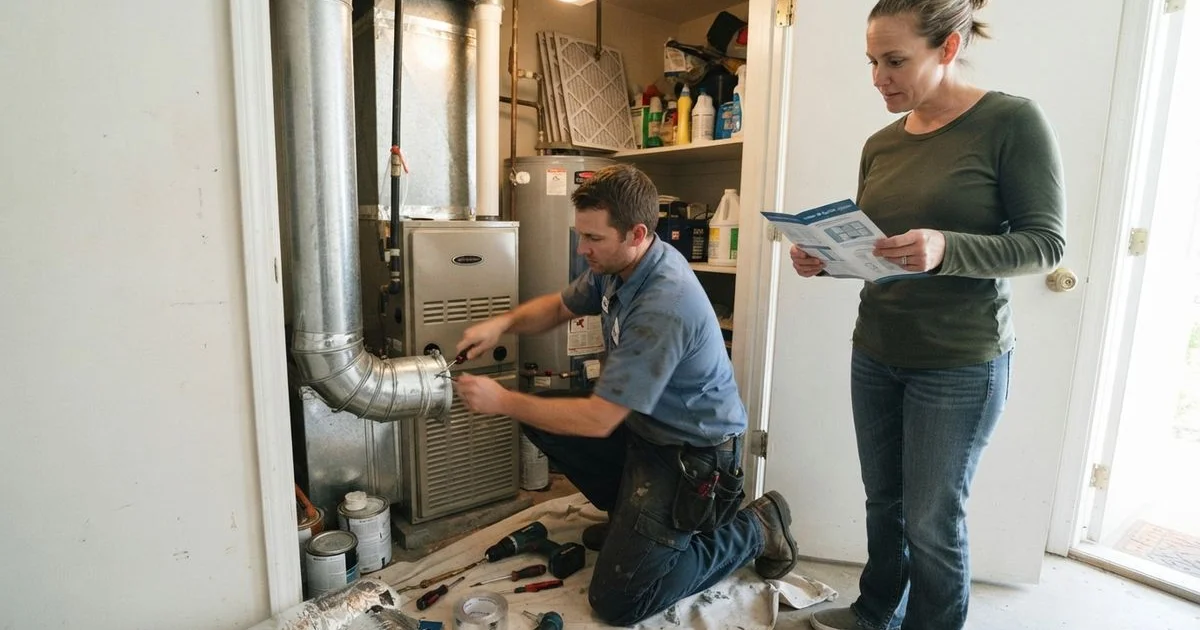
Phoenix’s dry, dusty climate and monsoon season put a real strain on indoor air quality that a lot of homeowners do not think about until allergies or a musty smell prompt them to look into it. Here is what a technician actually offers when you call about it.
Starting point: your existing filtration
Before recommending anything new, a technician should check what filter your system currently uses and its MERV rating, a scale that measures how effectively a filter captures particles. A basic filter (MERV 1-4) mainly protects the equipment itself from large debris. A mid-range filter (MERV 8-11) captures more dust, pollen, and pet dander. Higher-rated filters (MERV 13+) capture finer particles but can restrict airflow if your system was not designed for the added resistance, so an upgrade should be paired with a check that your system can actually handle it.
Common solutions and what they address
| Solution | What it targets | Good fit for |
|---|---|---|
| Higher MERV-rated filter | Dust, pollen, pet dander | Most homes as a first step |
| HEPA filtration system | Very fine particles, allergens | Households with significant allergy symptoms |
| UV air purifier | Airborne microorganisms, mold spores | Concerns about mold or pathogens specifically |
| Whole-home air filtration/purification unit | Combines multiple approaches, treats all circulated air | Homes wanting one all-in-one system |
| Humidity control add-ons | Dry air issues, monsoon humidity swings | Homes with noticeable seasonal humidity shifts |
A HEPA-grade filtration system captures a very high percentage of fine airborne particles and works well for households dealing with real allergy symptoms, not just general dustiness. UV air purifiers work differently: they target airborne microorganisms like mold spores and some bacteria rather than dust, so they solve a different problem than filtration alone and are worth it specifically for households concerned about mold or airborne pathogens.
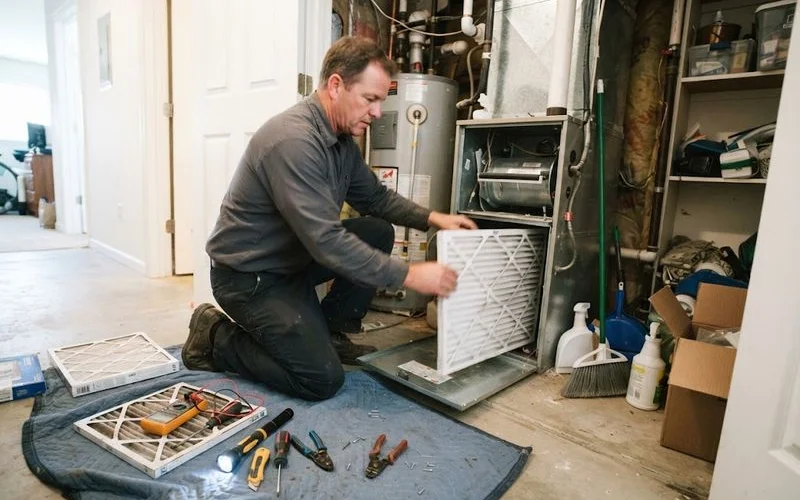
What an IAQ consultation actually looks like
A technician visit for indoor air quality typically starts with a conversation about what is prompting the call: ongoing allergy symptoms, a persistent odor, visible dust on surfaces shortly after cleaning, or general interest in improving air quality. From there, expect a check of your current filter and MERV rating, a look at accessible ductwork for buildup or damage, and a discussion of your home’s humidity levels, since both very dry and overly humid conditions create their own air quality issues in a desert climate with a distinct monsoon season.
Matching the solution to the actual problem
The mistake to avoid is buying more system than the problem calls for. General dustiness usually responds well to a filter upgrade alone. Persistent allergy symptoms point toward HEPA-grade filtration. Odor or mold concerns point toward UV purification or, in more serious cases, addressing the mold source directly rather than just filtering around it. A technician who recommends the most expensive whole-home system regardless of what you describe is worth a second opinion.
A note on humidity control
Phoenix’s dry air for most of the year, followed by a sharp humidity swing during monsoon season, creates its own indoor air quality wrinkle that filtration alone does not solve. Very dry air can irritate sinuses and skin, while sudden monsoon humidity can make a home feel muggy even with the AC running. Some households add a whole-home humidifier or dehumidifier alongside their filtration setup to smooth out these seasonal swings, though this is a more targeted add-on than a starting point, worth discussing if dryness or humidity, rather than dust or allergens, is your main complaint.
Installation and upkeep
Most filtration and purification add-ons install within your existing ductwork or air handler without major modifications, typically completed in a few hours. Ongoing upkeep matters as much as the installation itself: filters need regular replacement (more often in Phoenix’s dusty conditions than the standard schedule suggests), and UV bulbs in purification systems typically need replacement every one to two years to stay effective.
Our directory lists indoor air quality specialists in Phoenix by review consistency and response history, and our ranking methodology explains exactly how those scores are calculated.
Common questions
- What is the simplest way to improve indoor air quality in Phoenix?
- Upgrading to a higher MERV-rated filter and changing it more often is the easiest starting point. Desert dust and monsoon storms mean filters here can clog faster than the box's suggested replacement schedule.
- Do I need a whole-home air purifier, or is a filter upgrade enough?
- It depends on the issue. A filter upgrade handles general dust and particulates well. Persistent allergy symptoms, odors, or concerns about airborne pathogens are reasons to consider a dedicated purification system on top of filtration.
- What does a technician actually check during an IAQ consultation?
- Expect a look at your current filter type and MERV rating, ductwork condition, humidity levels, and a discussion of specific symptoms or concerns driving the visit, whether that is allergies, odors, or dust.
- Are UV air purifiers worth the cost?
- UV systems target airborne microorganisms rather than dust or particulates, so they are most worth it for households specifically concerned about mold spores or airborne pathogens, not as a general dust solution.