Arizona landlord-tenant AC repair laws: what renters and landlords should know
By Diego Ibrahim · Updated 2026-05-26

This is general information about how Arizona law generally treats AC repair in rental housing, not legal advice for your specific situation. For anything beyond a routine repair delay, talk to a licensed Arizona attorney or a local tenant rights organization.
Phoenix is one of the few places in the country where a broken air conditioner is not just an inconvenience, it is a genuine habitability and safety issue. Arizona law reflects that, and knowing the basics helps both tenants and landlords handle it correctly.
AC as an essential service
Arizona’s Residential Landlord and Tenant Act requires landlords to maintain rental units in a habitable condition, and functioning air conditioning is generally treated as part of that standard in a climate where indoor temperatures can become dangerous without it. This puts AC in a similar category to running water, electricity, and heat: not a luxury amenity, but a required condition for the unit to be legally habitable during hot months.
What the process usually looks like
- Written notice. The tenant reports the issue in writing, by text, email, or a dated letter, describing the problem clearly. This creates a paper trail and is usually a prerequisite for any later legal remedy.
- A reasonable window to respond. The landlord is expected to act within a reasonable time. What counts as reasonable is not a single fixed number under state law; it depends on severity, with total AC failure during extreme heat expected to move faster than a minor issue.
- If nothing happens. If a landlord does not act within a reasonable time after proper written notice, Arizona law provides tenant remedies, which can include options like arranging the repair and deducting the cost from rent under specific procedures, or pursuing other legal remedies. These options carry strict rules about notice, cost limits, and documentation.
| Step | Tenant’s role | Landlord’s role |
|---|---|---|
| Report the issue | Send written notice, keep a copy | Acknowledge and schedule a repair |
| During the wait | Document temperatures, dates, and any communication | Respond within a reasonable time given severity |
| If unresolved | Consider formal remedies, ideally with legal guidance | Risk of legal exposure for continued inaction |
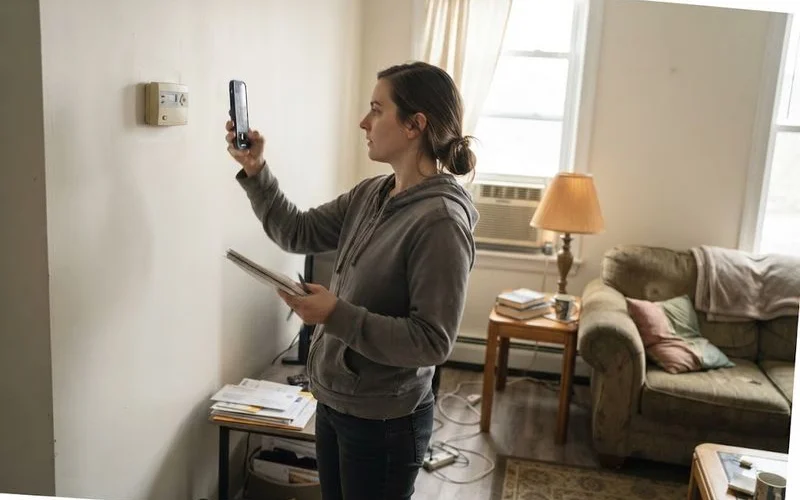
Why documentation matters so much
Verbal complaints are easy to dispute later. A tenant who calls a landlord about a broken AC but never follows up in writing has a much weaker position if the dispute escalates than one who has dated texts or emails describing the issue and the landlord’s response, or lack of one. Landlords benefit from documentation too: a clear paper trail of prompt scheduling and completed repairs protects against disputes and complaints.
What landlords should keep in mind
Because AC failure in Phoenix summer creates real safety risk, delay is not a low-stakes decision. Beyond the legal exposure, a tenant left without cooling during extreme heat, particularly one with young children, older adults, or health conditions in the household, faces genuine danger. Landlords who maintain a relationship with a responsive HVAC contractor and act quickly on cooling complaints reduce both legal and human risk. Confirming that contractor holds a current Arizona license is part of doing this right; our HVAC contractor licensing guide explains what to check before hiring.
What a lease might add on top of state law
Some Phoenix-area leases include specific language about AC repair timelines, maintenance responsibilities, or which party pays for what, beyond what state law generally requires. Read your lease carefully rather than assuming state law alone covers your situation, since a lease can grant a tenant additional protections that go further than the baseline. If your lease has a clause that seems to conflict with general habitability standards, such as pushing all repair costs onto the tenant regardless of cause, that clause may not be enforceable, but confirming that requires legal guidance rather than a guess.
When to get outside help
If a repair request has gone unanswered for more than a few days during hot weather, or if a landlord disputes their obligation to fix the AC at all, contacting a tenant rights organization or a landlord-tenant attorney is worth the step before taking matters into your own hands. Rent withholding and repair-and-deduct remedies exist under Arizona law but come with procedural requirements that, if not followed correctly, can undermine a tenant’s position rather than help it.
For finding a contractor to make the repair once the process is moving, our directory and its ranking methodology can help either party shortlist a reliable local HVAC company quickly.
Common questions
- Is a landlord in Arizona required to fix a broken AC?
- Arizona's landlord-tenant law treats functioning cooling as an essential service in a habitable rental, similar to running water or heat. A landlord who fails to address a broken AC within a reasonable time after written notice can be in violation of the lease and state law.
- What counts as a reasonable time to fix an AC in Arizona?
- State law generally expects urgent repairs affecting habitability, like a total AC failure during extreme heat, to be addressed faster than routine maintenance requests. There is no single fixed number of hours; what counts as reasonable depends on severity and circumstances, so document dates and communications carefully.
- What should a tenant do first if the AC breaks?
- Notify the landlord or property manager in writing (email or text creates a record) describing the problem and the date reported. Keep a copy. This written notice is usually the starting point for any later legal remedy if the repair is delayed.
- Can a tenant withhold rent over an unfixed AC in Arizona?
- Arizona law provides specific remedies for habitability issues, but rent withholding has strict procedural requirements and real risk if done incorrectly. Talk to a tenant rights organization or an attorney before withholding rent rather than doing it on your own interpretation of the law.